
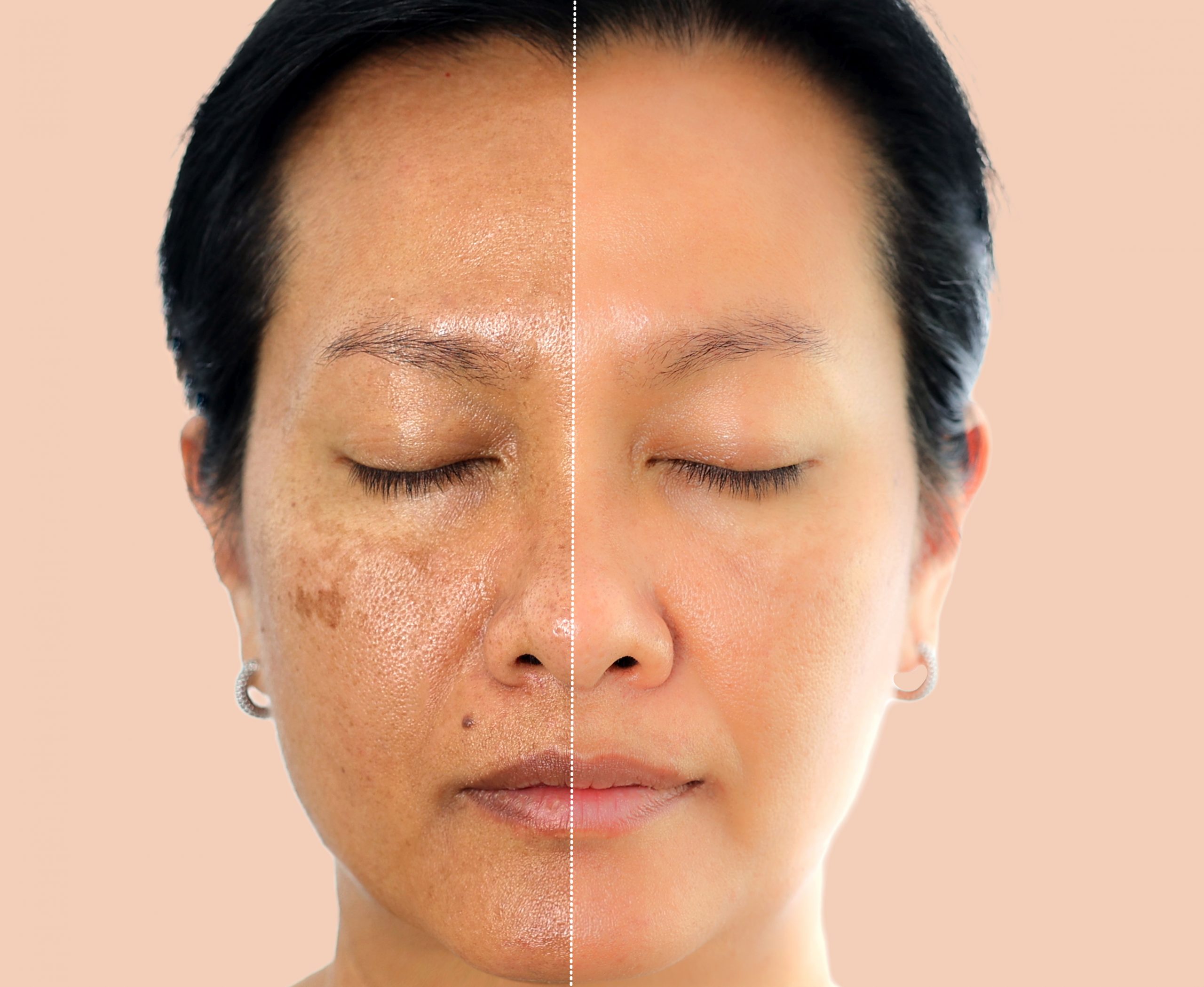
Pigmentation Treatments Before & After
Verified client result photos will be added here with consent.
What this treatment is intended to address
The practical goal is a more even-looking complexion and a plan that accounts for the cause and behaviour of visible discoloration. Riverflow considers it for concerns such as sun spots, post-breakout marks, uneven tone, and selected superficial areas of excess-looking pigment, with treatment areas including primarily the face and other sun-exposed areas considered suitable after assessment. The concern, current condition, previous response, and tolerance for recovery are reviewed before a protocol is selected.
Technology and treatment-room protocol
Pigmentation care begins with identifying the visible pattern. Depending on suitability, the plan may use controlled exfoliation, a facial protocol, a device-based option, and strict UV-focused home care.
During the appointment, expect a customized service whose sensation and recovery depend on the method, intensity, and individual skin response. The provider should explain the device, product, tip, intensity, or treatment depth selected for that visit rather than relying only on the general service name.
Appointment time
The chosen modality determines appointment length and spacing. Pigment plans are reviewed over time because recurrence and delayed response are common.
Session planning
visible pigment can recur with UV exposure or hormonal factors, so improvement may be gradual and maintenance cannot guarantee permanence
Preparation specific to this service
avoid tanning, disclose medications and pigment history, and seek medical review for new, changing, irregular, raised, bleeding, or symptomatic spots.
When the appointment should be postponed
Do not cosmetically treat a new, changing, irregular, raised, bleeding, or symptomatic spot before medical assessment. Also postpone for tanning, sunburn, infection, or broken skin.
Expected temporary reactions and aftercare
Temporary redness, dryness, flaking, or darkening before shedding can occur with some protocols. Unexpected blistering or worsening discoloration requires prompt contact. After the service, prioritize broad-spectrum sunscreen, avoid picking or aggressive exfoliation, and use only the recommended products during recovery. Contact the clinic if a reaction is unexpected, severe, or worsening instead of settling.
Realistic limitations
Treatment cannot prevent new UV damage or guarantee pigment will not return. Melasma and post-inflammatory pigmentation can worsen with heat, inflammation, hormones, or aggressive treatment.
Protocol perspective
A practical treatment consideration
Before trying to lighten a spot, the provider must decide whether it looks appropriate for cosmetic treatment at all. Conservative selection matters more than treating every visible mark.
Practical questions about Pigmentation Treatments
Why can a dark spot return?
UV exposure, hormones, inflammation, and the underlying pigment pattern can continue after visible improvement.
Can every brown spot be treated cosmetically?
No. New or suspicious lesions require medical assessment before any cosmetic procedure.
Why might pigment look darker temporarily?
Some methods bring treated pigment toward the surface before it sheds, but the expected response depends on the exact protocol.